The Psychology Behind Gourmet Gifts: Why Do People Prefer Gourmet Food Over Standard Presents?
When it comes to selecting a thoughtful gift, the choices can feel overwhelming. We all want to give something that truly resonates—something memorable, delightful, and deeply appreciated. While flowers, clothing, or electronics are often considered standard gifts, there is a growing trend toward luxury consumables: gourmet foods. But why does this preference exist? Is it simply because they taste better, or is there a deeper psychological draw at play? Understanding why do people prefer gourmet food over standard gifts? requires looking beyond mere sustenance and delving into the realms of experience, emotion, and curated indulgence. This article will explore the fascinating motivations behind this culinary shift, revealing that these treats are not just snacks; they are statements of care.
The Power of Experience Over Materialism
The core difference between a generic gift (like an appliance) and a gourmet food item is the nature of the transaction. A standard gift often fulfills a need or represents an object. Gourmet food, however, promises an experience. It’s not just about receiving a box of artisanal chocolates; it's about the moment you unbox them, the anticipation of the first bite, and the sensory journey that follows.
Sensory Immersion: Engaging All Five Senses
Gourmet products are designed to engage the recipient fully. They appeal simultaneously to sight (the beautiful packaging), scent (the aroma of fresh coffee or herbs), touch (the texture of soft cheese), taste, and even sound (the gentle crackle of a perfectly roasted nut). This multi-sensory engagement elevates the gift from a mere item into an immersive event.
Consider the difference between a sugary candy bar and a small selection box of local caramels paired with sea salt flakes. One is momentary pleasure; the other tells a story about the specific ingredients, the regional origin, and the craft involved in its creation. It’s an edible narrative.
The Emotional Resonance of Craftsmanship
Gourmet items inherently carry the weight of craftsmanship. They are typically small-batch, locally sourced, or made using time-honored techniques. This suggests that the giver didn't just pick something off a shelf; they invested time and thought into finding quality. As one expert in consumer psychology noted, "The perceived effort put into selecting an item directly correlates with the perceived value of the gift."
This resonates deeply with human desire for authenticity. When you choose gourmet food, you are signaling that you appreciate quality, origin, and art—qualities far more valuable than mere brand recognition. It feels personal, like a whisper of taste rather than a shout of expense.
Beyond Taste: The Symbolic Value of Indulgence
The preference isn't always about the flavor profile; often, it’s about what the gift represents. Gourmet food is frequently positioned as a small, guilt-free luxury—a moment to pause and savor something exquisite. This symbolic value makes it an incredibly effective gift choice.
Signaling Status and Effort
Giving gourmet items can subtly signal that the giver understands the recipient's refined tastes or has taken significant care in their selection process. It communicates thoughtfulness in a way that a generic, mass-produced item simply cannot match. It says, "I know you deserve something truly special."
- The Storytelling Element: A gift of coffee beans from Ethiopia, for instance, carries the story of that specific region and its unique terroir. The recipient isn't just getting coffee; they are receiving a miniature journey through trade routes and diverse growing practices.
- Elevated Everyday Rituals: Gourmet goods often enhance daily routines—a beautiful tea blend transforms a simple afternoon break into a meditative ritual, while artisanal olive oil makes cooking feel like an act of culinary artistry.
The Psychology of Scarcity and Discovery
Much of the appeal lies in the element of discovery. https://rafaelxnjb315.nexorafield.com/posts/why-are-breakfast-hampers-popular-year-round-unpacking-the-appeal-of-gourmet-gifting These products are often niche or seasonal, meaning they aren't available everywhere. This sense of exclusivity—the feeling of receiving something limited edition—makes the gift inherently more desirable. It feels like a secret indulgence. When you consider why do people prefer gourmet food over standard gifts?, this psychological factor of discovery must be accounted for.
Curating the Perfect Thoughtful Present
To ensure your choice hits the mark, remember that the best gourmet gift should align with the recipient's personality and lifestyle. It shouldn't feel like a surprise meant to impress, but rather an enhancement meant to delight.
Matching the Gift to the Occasion
The perfect food gift changes depending on who receives it. A busy professional might appreciate high-quality, ready-to-enjoy items (like charcuterie kits or premium snacks), while a home chef might be thrilled by exotic spices or unique pasta shapes. The key is tailoring the experience to their routine.

Anecdote: I once bought my sister a collection of unusual hot sauces for her birthday. She was initially skeptical, thinking they were just spicy condiments. However, she ended up hosting a "sauce tasting" party that became an unexpected hit! It proved that sometimes, the most seemingly niche gift can become a beloved centerpiece.
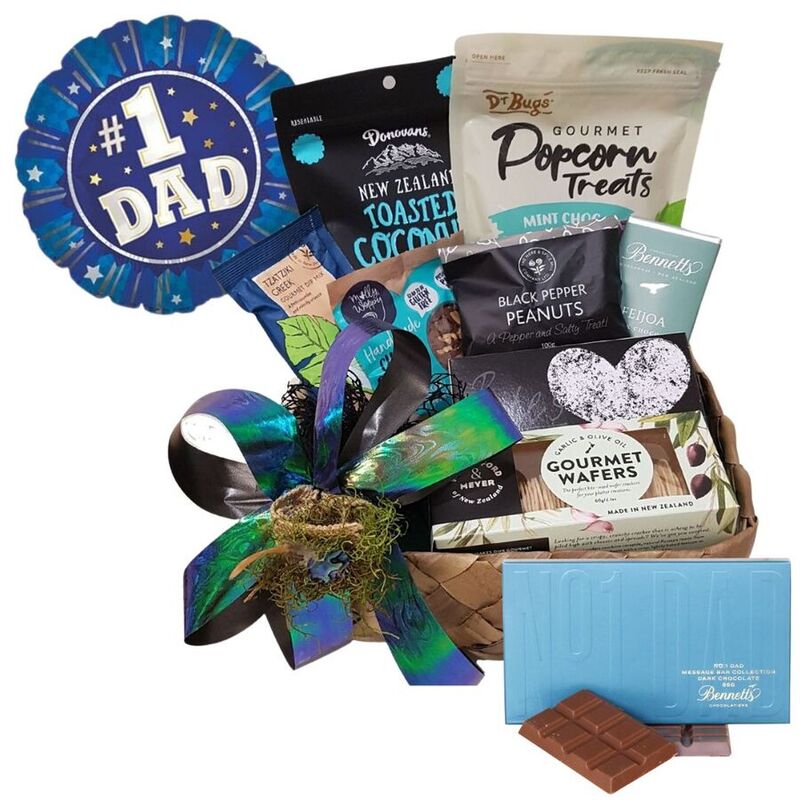
Making Your Selection Count: A Guide to Intentional Gifting
Ultimately, the preference for gourmet food is rooted in the desire for meaningful connection. People are buying experiences and emotions wrapped in beautiful packaging. They want gifts that spark conversation, create memories, or simply provide a moment of profound enjoyment. When giving this type of gift, remember that less can be more. A small box of exquisite truffles speaks volumes about care and taste far louder than a large collection of mediocre items ever could.
If you approach gifting with the intention of elevating an everyday ritual—whether it’s breakfast, afternoon tea, or dessert—you will naturally lean toward gourmet options. Does the gift need to be expensive? No. It just needs to feel intentional. As the saying goes, "The true measure of a gift is not its cost, but the care with which it was selected."
By understanding that these gifts tap into our primal desires for sensory pleasure, exclusivity, and personal recognition, we can move past simple gifting checklists. We realize that gourmet food isn't just about taste; it’s about the profound satisfaction of receiving a carefully curated moment of pure delight. By choosing thoughtfully, you ensure your gift leaves a lasting impression—a delicious memory to savor long after the box is opened.